



| TOPIC: Proxies, Generics, and Substitutions |
 Standard User Posts: 47  Proxies, Generics, and Substitutions Proxies, Generics, and Substitutionsjwsleser 4th Feb 2025 06:03:25 This is my first post here on the Baccus site. I experimented with 6mm back in 2000 but was stepping away from miniature wargaming at that time, so the experiment didn't last. I am back now and really love 6mm wargaming. I am a big battle wargamer, so the figure scale and rules like Bloody Big Battles have made miniature wargaming more enjoyable than in pervious years. Okay, after that brief introduction, why am I posting? Not only do I enjoy large battles, I also prefer to play with some of the less seen-on-the-table armies. My Napoleonic army are the Danes, an army which carries over into the 1850-1900 period that I am currently gaming. Of course, Baccus doesn't make any Danes, and I am not asking Peter to do so. What I will discuss is possible ways Baccus can aid players such as myself in building these lesser used armies. Proxies: One of my very few issues with Baccus is the quality of the pictures in the catalog. As I am seeking proxies for the armies I wish to build, the current pictures don't provide much help. They are too small (not much better when you click on them) and only show one side. It would be helpful if the pictures showed a close-up of the front and back side of one of each type of strip in the package. They don't need to painted, but clear pictures showing details would help me in deciding which figures would be a close match to the army I wish to build. For example, I am currently exploring building a RJW army. The WW1 Russians should work for Russians in the period, and I am considering WW1 British in caps for the Japanese. Here better pictures would help in making those decisions. Generics: I will caveat that I do understand that Baccus is a business and creating new lines must be with the plan that the line will recoup (and more) of the sunk investment cost. I believe that one way Baccus can scratch part of the itch of lesser purchased armies is to create a line of generics. I feel this would work well in my aforementioned 1850-1900 period. Thumbing through Knötel’s Uniformkunde can indicate what is possible. One such generic would be an infantry unit in kepis, tunic, two ammo pouches on waist belt, shoulder support straps and haversack/diddy bag or simple pack. How many armies in the Bismarck’s Wars period used this basic uniform? Quite a few. I haven’t looked too closely at cavalry as most of my needs can be met. For example, I am currently using RSA04 Austrian Dragoons for Austrian dragons and cuirassiers, as well as Danish dragoons. I do have a need for a hussar figure in kepi, dolman, and pelisse. Unfortunately the hussars that have kepis had replaced their dolman/pelisse with the attila. I feel what I need is fairly rare in armies of the period, so don’t expect any type of generic figure. Substitutions: Once again I caveat that mixing different types of figures into a single package isn’t possible. I have used the ability to change the ratio of command to infantry/cavalry strips to my advantage. This latter point got me wondering, is it possible to package artillerymen with different guns? I am sure the answer will reflect whether the artillery molds are men and guns together or there are two different molds, one for artillery men and one for guns. If the former, I certainly do understand that it isn’t possible. If the latter, then the question becomes the time and effort to make such mixes. Going back to building a RJW army, I ask because while the proxies might work for the artillerymen, the WW1 guns won’t work for the RJW. This is mainly due to the presence of gun shields: the RJW does not have, WW1 does have. If mixing guns and men is not possible, I do understand. If it is possible, then more flexibility is gained for those trying to build the unwashed armies. I will end by stating I understand that Baccus is a business and a business must make money. If nothing else, better pictures would be a big help. v/r Jeff |
 Standard User Posts: 500 Proxies, Generics, and SubstitutionsWhirlwind 5th Feb 2025 04:04:31 IIRC I think Baccus is okay with having ~gun crew with any ~gun, as long as it is the same 4 guns and 4 crews in the pack. I can't remember if I have done this or not - I might have, used a big ECW gun with WSS crew as a siege gun or something? Can't remember. I guess in theory you could have a Napoleonic crew with 25pdrs or something for 1950s ceremonial?!?! anyway, Peter will say when he comes along, but I think he does this. |
 Standard User Posts: 1244 Proxies, Generics, and Substitutionsdourpuritan 6th Feb 2025 08:57:32 I am considering using Napoleonic Prussian Landwehr for 1866 Bavarians/Wurtemburgers. Also 1859 Austrians for 1866 Hanoverians. There are also cavalry in the Austrian 1859 range that can also be used in 1866. I know that people have used ACW Union figures in kepi for Danes, but if wanting the tunic there will be some in hats. These can be trimmed down and filed to represent a kepi. Unfortunately there are no ACW figures in greatcoat. I have seen Irregular Miniatures WWI British painted as RJW Japanese infantry, so see no reason why this would not work with Baccus. The BEF 60pdr might well work as a Japanese gun and crew. Other artillery pieces to consider from WWI without shields are the German 150mm howitzer, the French 120mm howitzer, the Indian 2.5" RBL, the Italian 150mm howitzer, and there is an unshielded British colonial gun. The WWI French Chasseurs a Cheval may also make a good Japanese cavalry figure with the slightly taller peaked cap and the frogged tunic A little goes a long way |
Administrator Posts: 1014 Proxies, Generics, and Substitutionspeter 6th Feb 2025 02:38:22 Hi Jeff,
I have plans. I am dangerous when I have plans... |
Standard User Posts: 101 Proxies, Generics, and Substitutionsjon1066 6th Feb 2025 03:42:55 What about the picture resizing issue? When you click on a picture it pops up as a zoom but you can't scroll left to right so the right hand side of the photo is always cropped. I presume this is some formatting issue and it works fine on a particular monitor used by yourselves. It presumably wouldn't require changing the whole catalogue - just one bit of the code for zooming in? |
Standard User Posts: 47 Proxies, Generics, and Substitutionsjwsleser 6th Feb 2025 05:58:10
Thank you for your reply. I will state upfront that nothing you have explained was unexpected. Of my three observations, the news about the artillery guns is the most welcome. I can certainly work with that. Once Greg has finished my latest order of 1864/1866 Prussians and Austrians, I will begin the quest of assembling 6mm RJW armies. Your comment about the marketability of the late 19C period is disappointing but not surprising. It is a period that offers much richness in possible gaming if gamers would release themselves from the actual history and embrace the multiple possibles that almost happened. My Danes will fight in Italy, France, Germany, Russia, etc. wherever they are needed. I will end with one clarification. I used the term generic line, which is likely overstepping what I believe is needed to enhance gaming the wars of the latter half of the 19C. The one infantry figure discussed would go a long way is opening this period to gaming. Offering that figure in overcoat as well would be a double bonus. I just ask that when you are pondering the next figures to produce once the Italian line is finished that maybe you could consider sneaking in one new figure for the 19C. Again thank you for your response and I hope to enjoy gaming with Baccus figures for many more years. v/r Jeff
|
Standard User Posts: 47 Proxies, Generics, and Substitutionsjwsleser 6th Feb 2025 07:11:51 dourpuritan I responded to your figure comments in the Proxy folder of the Forum. v/r Jeff
|
| Standard User Posts: 1244 Proxies, Generics, and Substitutionsdourpuritan 7th Feb 2025 09:54:35 Cheers Jeff; I am also working on my 6mm C19th figures. I now find it impossible to post on both the fora I belong to, but I have started to display my work on the Facebook group: 6mm Wargaming and Terrain. A little goes a long way |
Standard User Posts: 11 Proxies, Generics, and Substitutions34Binari 23rd Feb 2025 11:54:03 jon1066 I've found that, if a photo opens and is zoomed-in, you can right-click and select 'open image in new tab'. This gives the whole photo which can be zoomed or scrolled. |
| Standard User Posts: 1244 Proxies, Generics, and Substitutionsdourpuritan 25th Feb 2025 04:58:55 Re. my comments about 1864 Danes, I now think the ACW infantry in frock coat and kepi would work well. There appear to be no hats on these figures (think First Bull Run), so the kepi can be blue, the trousers light blue and the frockcoat black or black grey. That would give a pretty good impression of Danish infantry. Union artillery should work. Cavalry could come from Austrian 1859 range. The Napoleonic winter collection may also be useful for cavalry and artillery in greatcoats, with just a little judicious filing. A little goes a long way |
> Forums
Reply
1
> General > General > Proxies, Generics, and Substitutions
1
NEWS
This week at Baccus17th Oct 2026
Twas the day before Partizan...
10th Oct 2026
EU U-Turn and a Mission
25th Sep 2026
JOS26 - Gone, but not forgotten...
11th Jul 2026
It's That Most Wonderful Time of the Year!
26th Jun 2026
LATEST FORUM POSTS
A week at Baccus by peter17th Oct 2026
Batavian Republic 1799 by I am a spambot
15th Oct 2026
Batavian Republic 1799 by jwsleser
14th Oct 2026
Batavian Republic 1799 by I am a spambot
14th Oct 2026
Batavian Republic 1799 by rsjahn
14th Oct 2026
UPCOMING SHOWS
Fiasco (Royal Armouries, Leeds)25th Oct 2026
Warfare (Farnborough Exhibition Centre)
14th Nov 2026-15th Nov 2026
Battleground (Stockton on Tees)
29th Nov 2026
LATEST RELEASES
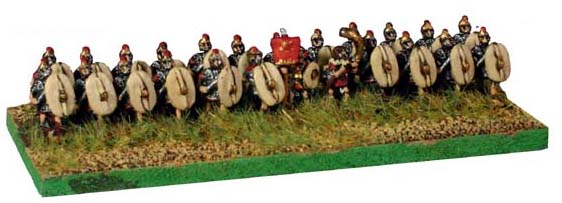 arr6
arr6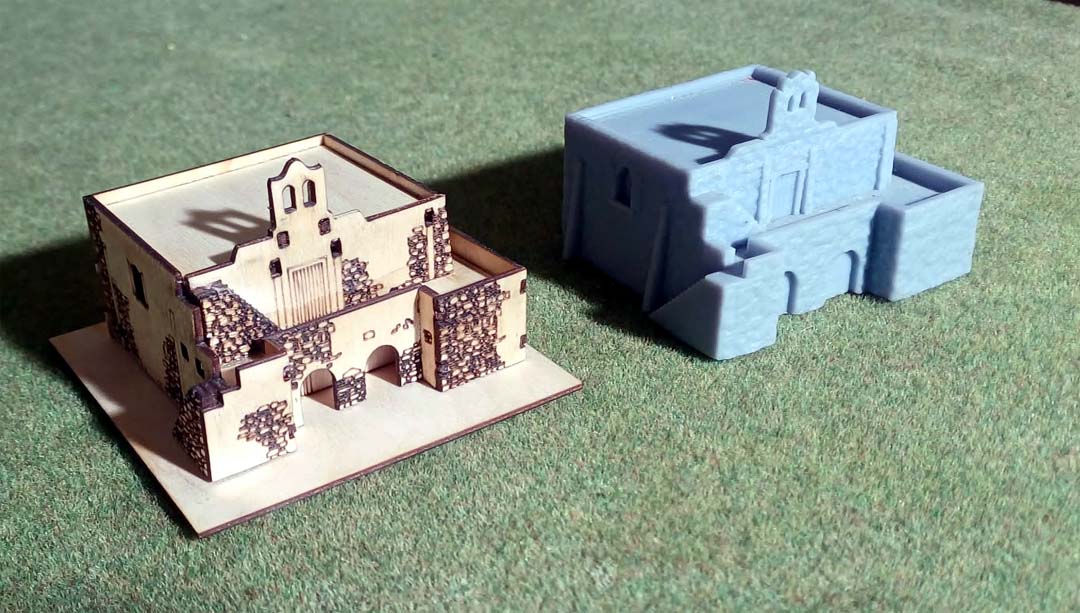 miss
miss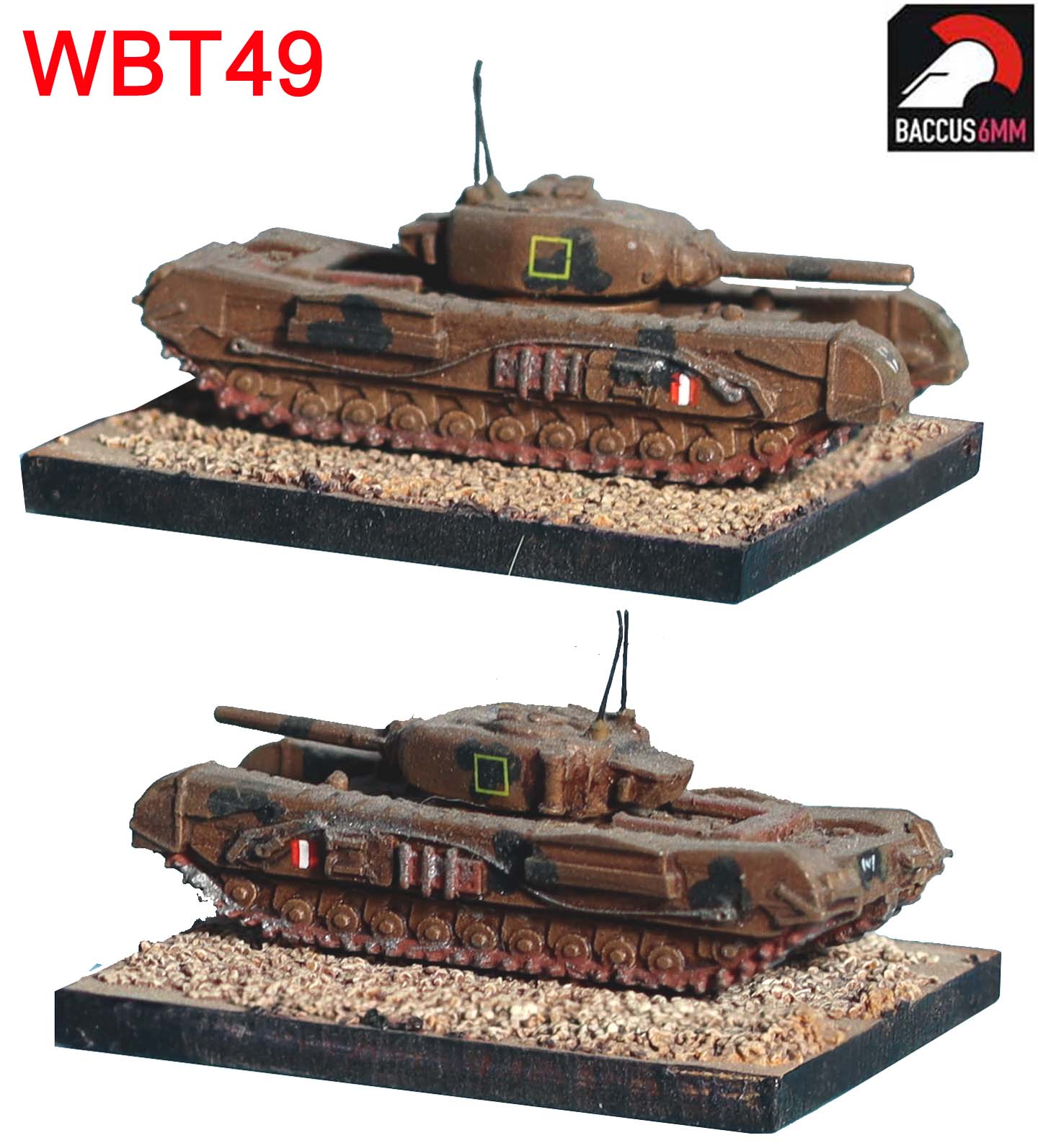 WBT49
WBT49Churchill NA75
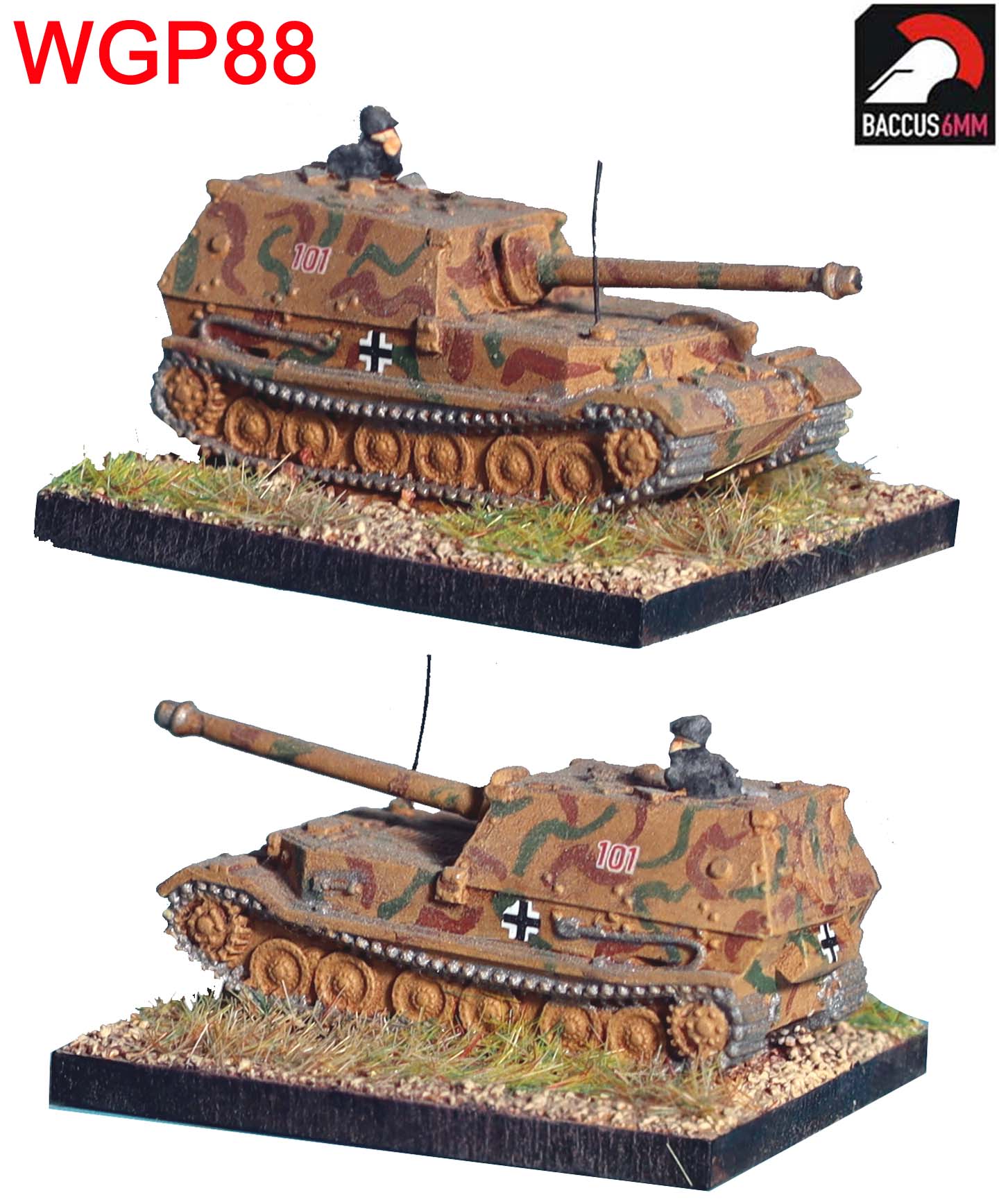 WGP88
WGP88JgPzVI Ferdinand
 WGP53V
PzVG Panther veterans